
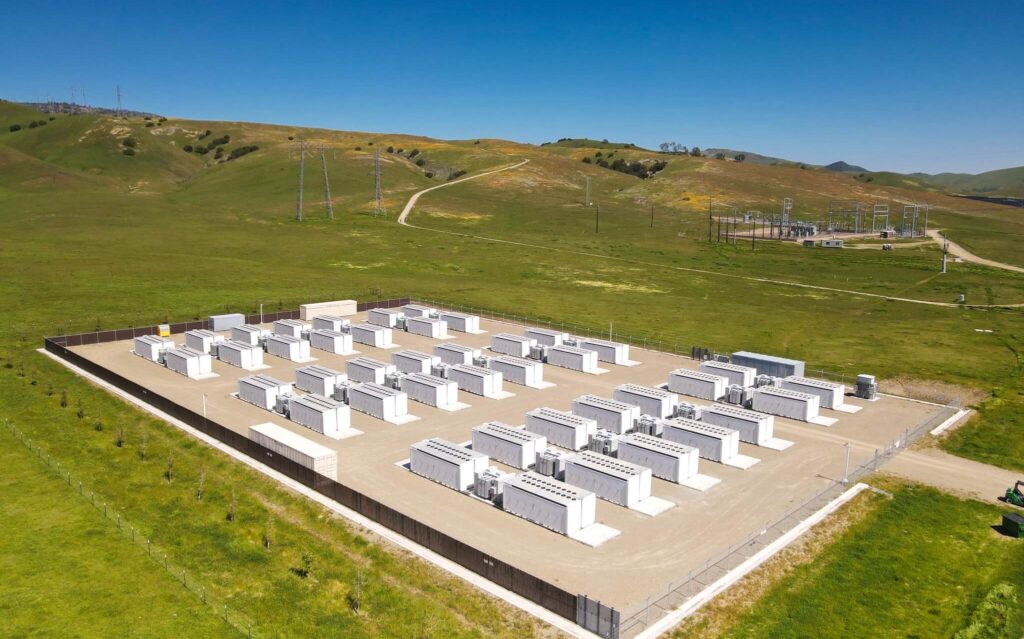
Battery Energy Storage Systems are rapidly becoming a key part of modern energy infrastructure. From renewable energy integration to grid stabilization and backup power applications, BESS facilities continue to expand throughout the energy sector. Alongside this growth comes an increased focus on fire and life safety challenges associated with lithium-ion battery technology.
Unlike many traditional commercial or industrial facilities, battery energy storage installations present specialized hazards that require advanced planning, engineering coordination, and emergency response considerations.
One of the primary concerns within BESS facilities is thermal runaway. Thermal runaway occurs when a battery cell experiences uncontrolled heat generation, potentially leading to fire propagation, off-gassing, or explosion hazards. Because battery systems contain large concentrations of stored energy, incidents can escalate rapidly if not properly managed.
Fire suppression strategies within battery energy storage facilities are also more complex than conventional structures. Traditional suppression systems may not always fully address the unique behavior of lithium-ion battery events. As a result, facility design often requires a combination of fire detection systems, gas monitoring, ventilation strategies, thermal monitoring, and emergency shutdown protocols.
Emergency responder coordination is another important factor. Local fire departments and emergency personnel must understand the specific hazards associated with battery storage installations. Emergency response planning, pre-incident coordination, and clear facility documentation all contribute to safer incident management.
Permitting and jurisdiction review processes have also become increasingly detailed for battery energy storage projects. Authorities having jurisdiction often require technical documentation such as Hazard Mitigation Analysis reports, Emergency Response Plans, and fire protection strategies before approving installations.
As energy infrastructure continues to modernize, fire and life safety planning is becoming an essential part of successful BESS development. Early coordination between developers, engineers, consultants, and permitting authorities can help reduce delays while supporting safer project outcomes.
The battery energy storage industry will continue evolving alongside changes in codes, standards, and safety expectations. Staying proactive with fire protection planning and technical documentation is essential for organizations operating within this rapidly growing market.
