
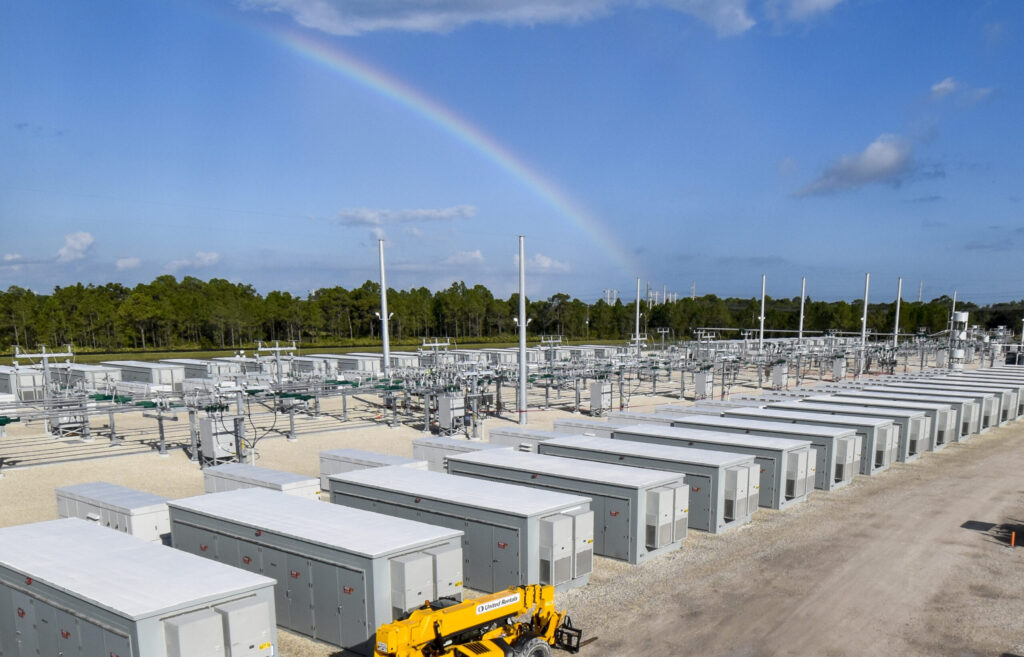
Battery Energy Storage Systems (BESS) continue to play a major role in modern energy infrastructure as utilities, developers, and private organizations invest in renewable energy and grid stability solutions. As these projects continue to expand across the United States, fire and life safety requirements have become increasingly important during project development and permitting.
One of the most critical components of the approval process for many battery energy storage projects is the Hazard Mitigation Analysis, commonly referred to as HMA.
An HMA is a technical analysis designed to identify potential hazards associated with a battery energy storage installation and outline mitigation strategies that help reduce fire and life safety risks. The analysis supports project stakeholders, jurisdictions, emergency responders, and permitting authorities by providing a clearer understanding of how risks are being addressed within the project design.
Battery energy storage systems introduce unique fire protection challenges due to the nature of lithium-ion battery technology. Thermal runaway events, off-gassing, fire propagation, and explosion risks require careful consideration during planning and design phases. An HMA helps evaluate these risks while documenting the protective measures integrated into the facility.
The process typically includes evaluating battery technology, system configuration, fire detection systems, suppression strategies, ventilation considerations, spacing requirements, emergency shutdown procedures, and first responder access. Depending on the project scope and local jurisdiction requirements, additional documentation may also be necessary.
An effective HMA is not only about meeting compliance requirements. It also helps improve communication between project teams and authorities having jurisdiction. Clear and technically sound documentation can reduce confusion during review processes and support more efficient permitting timelines.
As the battery energy storage industry continues to evolve, many jurisdictions are increasing scrutiny around fire and life safety planning. Projects that provide organized, comprehensive, and technically detailed mitigation documentation are often in a stronger position during the approval process.
Developers, EPCs, battery manufacturers, and infrastructure stakeholders all benefit from proactive fire and life safety planning early in project development. Working with experienced consulting professionals who understand both the technical and permitting side of BESS projects can help reduce delays and support smoother project execution.
Hazard Mitigation Analysis has become an essential component of modern battery energy storage development. As projects continue to grow in size and complexity, strong safety planning and technical documentation will remain critical to long-term project success.
